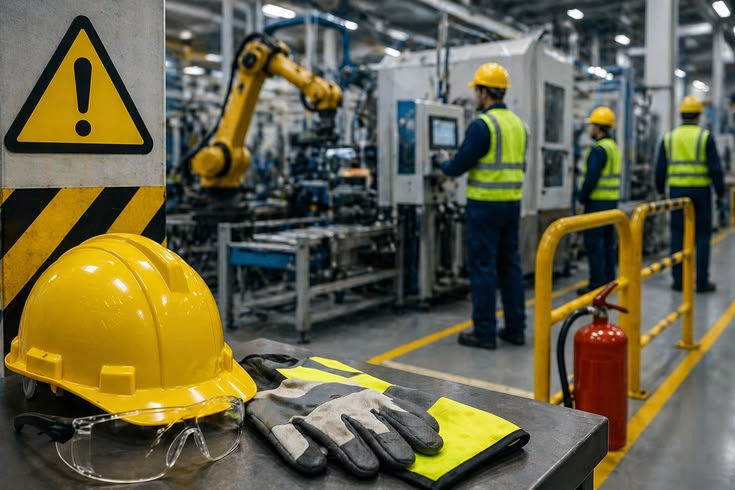
Workplace safety is one of the most important responsibilities of every business, company, and organization. Whether employees are working in construction, manufacturing, warehouses, laboratories, offices, or industrial areas, safety should always come first. Accidents can happen anywhere, but the right safety equipment can reduce the risk of injuries, protect workers, and create a secure working environment.
Basic safety equipment for workplace protection includes personal protective equipment, emergency tools, fire safety products, and first aid items. These tools help workers stay protected from hazards such as falling objects, sharp materials, chemicals, dust, noise, fire, and electrical risks. Using proper safety equipment is not only good practice but also a legal and ethical responsibility for employers.
What Is Workplace Safety Equipment?
Workplace safety equipment refers to protective tools and devices used to reduce the chances of injury or illness at work. It includes items worn by workers, such as helmets and gloves, as well as safety tools installed in the workplace, such as fire extinguishers, warning signs, and first aid kits.
The main purpose of safety equipment is to protect employees from workplace hazards. Every workplace has different risks, so the type of safety equipment required may vary. For example, construction workers need helmets, safety shoes, and harnesses, while laboratory workers may need gloves, goggles, and face masks.
Why Basic Safety Equipment Is Important
Basic safety equipment is important because it protects workers from serious injuries and health problems. In many workplaces, employees deal with heavy tools, machines, chemicals, electricity, dust, sharp objects, and slippery surfaces. Without proper protection, even a small mistake can lead to major harm.
Safety equipment also improves worker confidence. When employees know they are protected, they can focus better on their tasks. This increases productivity and reduces fear or stress. Employers also benefit because fewer accidents mean less downtime, lower medical costs, and better workplace reputation.
A safe workplace also builds trust between workers and management. When a company provides proper safety equipment, it shows that employee health and safety are a priority.
Essential Basic Safety Equipment for Workplace
1. Safety Helmets
Safety helmets are one of the most common and important pieces of workplace safety equipment. They protect the head from falling objects, bumps, and impacts. Helmets are mostly used in construction sites, factories, warehouses, and industrial areas.
A good safety helmet should fit properly and be strong enough to absorb impact. Workers should always wear helmets in areas where there is a risk of falling tools, materials, or overhead hazards.
2. Safety Gloves
Safety gloves protect hands from cuts, burns, chemicals, sharp materials, and electrical risks. Since hands are used in almost every task, they are highly exposed to workplace injuries.
Different types of gloves are used for different jobs. Cut-resistant gloves are used for handling sharp tools, chemical-resistant gloves are used in labs and cleaning work, and heat-resistant gloves are used in welding or high-temperature areas.
3. Safety Shoes
Safety shoes protect feet from heavy objects, sharp items, slippery floors, and electrical hazards. Many workplace injuries happen because workers wear normal shoes instead of protective footwear.
Steel toe safety shoes are commonly used in construction and industrial jobs. Anti-slip safety shoes are useful in warehouses, kitchens, and wet areas. Good safety shoes should be comfortable, durable, and suitable for the working environment.
4. Safety Goggles and Eye Protection
Eyes are very sensitive and can be damaged by dust, sparks, chemicals, flying particles, or bright light. Safety goggles and face shields protect the eyes and face from these risks.
Workers involved in welding, grinding, cutting, chemical handling, or laboratory work should always use proper eye protection. Even a small particle can cause serious eye injury if goggles are not worn.
5. Face Masks and Respirators
Face masks and respirators protect workers from dust, fumes, smoke, chemicals, and harmful airborne particles. They are especially important in construction, painting, cleaning, healthcare, and industrial workplaces.
Basic dust masks are useful for low-risk dusty environments, while respirators are required where workers may breathe harmful gases or chemicals. The correct mask should be selected according to the type of hazard.
6. High-Visibility Clothing
High-visibility clothing, such as reflective vests and jackets, helps workers remain visible in busy or low-light areas. This is very important for road workers, construction workers, warehouse staff, and people working near vehicles or machines.
Bright colors and reflective strips make it easier for drivers and machine operators to see workers, reducing the risk of accidents.
7. Ear Protection
Some workplaces have loud machines, tools, or equipment that can damage hearing over time. Ear protection, such as earplugs and earmuffs, helps reduce noise exposure.
Workers in factories, airports, construction sites, and workshops should use hearing protection when noise levels are high. Long-term exposure to loud noise can cause permanent hearing loss.
8. Fire Safety Equipment
Fire safety equipment is essential in every workplace. Fire extinguishers, fire alarms, smoke detectors, fire blankets, and emergency exits help protect workers during fire emergencies.
Every employee should know where fire extinguishers are located and how to use them safely. Fire exits should always remain clear, and emergency drills should be conducted regularly.
9. First Aid Kit
A first aid kit is a basic but very important safety item in the workplace. It helps provide immediate care for minor injuries such as cuts, burns, sprains, and wounds before medical help arrives.
A workplace first aid kit should include bandages, antiseptic wipes, gloves, pain relief items, burn cream, scissors, and emergency contact information. It should be checked regularly and refilled when needed.
10. Safety Signs and Warning Labels
Safety signs and warning labels help guide workers and visitors. They provide important information about hazards, emergency exits, restricted areas, and required protective equipment.
Common workplace signs include “Wear Helmet,” “Danger High Voltage,” “Fire Exit,” “No Smoking,” and “Caution Wet Floor.” Clear signs reduce confusion and help prevent accidents.
How to Choose the Right Workplace Safety Equipment
Choosing the right safety equipment depends on the type of workplace and the risks involved. Employers should first identify possible hazards through a workplace safety assessment. After that, they should provide equipment that matches those hazards.
Safety equipment should be high quality, comfortable, properly sized, and easy to use. Workers should also receive training on how to wear, use, clean, and store the equipment correctly.
It is also important to inspect safety equipment regularly. Damaged helmets, torn gloves, broken goggles, or expired fire extinguishers should be replaced immediately.
Employer and Employee Responsibilities
Employers are responsible for providing proper safety equipment and maintaining a safe working environment. They should train employees, follow safety rules, and ensure that all safety tools are available and in good condition.
Employees also have responsibilities. They should wear the required safety equipment, follow workplace safety rules, report hazards, and avoid careless behavior. Safety is successful only when both employers and workers cooperate.
Conclusion
Basic safety equipment for workplace protection plays a vital role in preventing injuries and creating a safe environment for everyone. Items like helmets, gloves, safety shoes, goggles, masks, fire extinguishers, first aid kits, and warning signs are essential for reducing workplace risks.
Every workplace should take safety seriously. Proper equipment, regular training, and strong safety awareness can protect workers, improve productivity, and reduce accidents. A safe workplace is not only a legal requirement but also a sign of a responsible and professional organization.
FAQs
What is the most basic safety equipment for workplace use?
The most basic safety equipment includes safety helmets, gloves, safety shoes, goggles, masks, fire extinguishers, first aid kits, and safety signs.
Why is PPE important in the workplace?
PPE is important because it protects workers from injuries, chemicals, dust, noise, fire, and other workplace hazards.
Who is responsible for workplace safety equipment?
Employers are responsible for providing safety equipment, while employees are responsible for using it properly.
How often should safety equipment be checked?
Safety equipment should be checked regularly. Damaged, expired, or worn-out equipment should be replaced immediately.
Is safety equipment required in every workplace?
Yes, every workplace needs some form of safety equipment, but the type depends on the job, environment, and risk level.
Leave a Reply