Clear, healthy skin is not just about what goes on the face. It starts with what goes on the plate. In 2026, more dermatologists and nutrition experts are pointing to everyday foods as quiet heroes behind calmer, smoother complexions.
Best Foods For Clear Skin By Rodan + Fields
Why Food Matters For Skin In 2026?
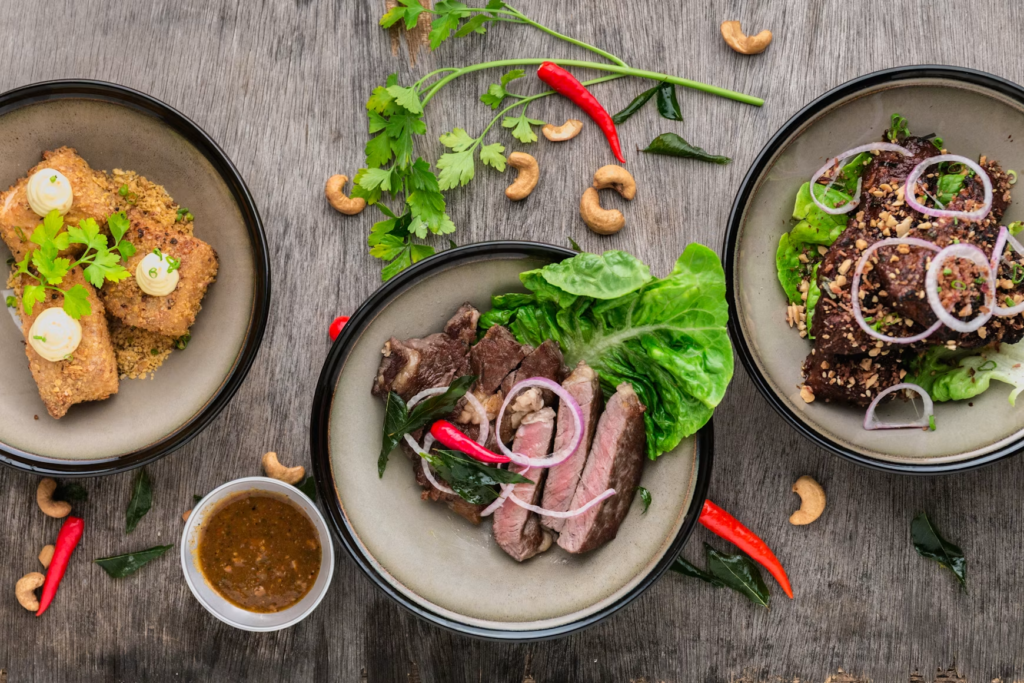
Skin is the body’s largest organ, and it constantly uses vitamins, minerals, healthy fats, and protein to repair itself. When the diet is low in these building blocks, skin can look dull, dry, or more prone to breakouts.
Recent guides from medical centers highlight a few key truths:
- Fruits and vegetables pack antioxidants that help protect collagen and elastic fibers.
- Healthy fats from fish, nuts, and seeds keep the skin barrier flexible and moist.
- Protein supports collagen and new skin cell growth.
- Certain nutrients, like zinc and vitamin A, play a role in acne and oil balance.
So, eating for clear skin is not about perfection. It is about giving skin a steady supply of the nutrients it uses every single day.
Core Nutrients For Clear, Healthy Skin
Antioxidants that protect and brighten
Antioxidants help fight “free radicals,” tiny unstable molecules that can damage skin cells and speed up the look of aging. Dietitians and skin institutes often highlight vitamins C, E, and A as key antioxidant players.
Common food sources include:
- Citrus fruits, berries, kiwi
- Dark leafy greens like spinach and kale
- Carrots and sweet potatoes
- Nuts and seeds
Vitamin C supports collagen production, which keeps skin firm and bouncy. Vitamin E works hand in hand with healthy fats to shield cell membranes.
Healthy fats for a strong skin barrier
Skin needs fat to stay soft, flexible, and resilient. Monounsaturated and polyunsaturated fats, especially omega‑3s, are especially helpful.
Helpful sources include:
- Fatty fish like salmon, sardines, and mackerel
- Avocado
- Walnuts, chia seeds, flaxseeds
- Extra virgin olive oil
These fats help calm inflammation, support moisture, and may reduce redness in some people.
Protein and minerals that support repair
Protein gives the body amino acids to build collagen and new skin cells. Minerals like zinc and selenium support healing and help with acne and overall skin integrity.
Common sources include:
- Eggs, poultry, and fish
- Legumes such as lentils and chickpeas
- Nuts and seeds
- Whole grains
Think of protein and minerals as the “repair crew” working behind the scenes after every breakout, sun day, or irritation.
Best Everyday Foods For Clear Skin In 2026
Colorful fruits and vegetables
Dermatology and nutrition sources keep pointing to fruits and vegetables as the foundation of a clear-skin plate. The deeper the color, the richer the antioxidant content tends to be.
Good choices for daily meals include:
- Berries for vitamin C and other antioxidants
- Oranges, kiwi, and other citrus fruit for collagen support
- Carrots and sweet potatoes for beta‑carotene
- Spinach, kale, and other dark greens for a mix of vitamins A, C, E, and zinc
Adding just one extra serving of colorful produce to lunch or dinner can be a small but real step toward calmer, brighter skin.
Fatty fish and plant-based omega‑3s
Omega‑3 fatty acids help skin retain moisture and may reduce inflammatory processes that contribute to redness and some types of acne.
Common options include:
- Salmon, sardines, mackerel, herring
- Anchovies in small amounts
- Flaxseeds, chia seeds, and walnuts
Some experts suggest eating fatty fish at least twice per week as part of a general healthy diet.
Nuts, seeds, and wholesome oils
Nuts and seeds combine healthy fats, vitamin E, and minerals that benefit skin. Regular, moderate intake appears in many skin-friendly eating patterns.
Helpful examples:
- Almonds and sunflower seeds for vitamin E
- Pumpkin seeds for zinc, which supports acne-prone skin
- Flax and chia for omega‑3s
- Extra virgin olive oil as a main cooking and salad oil
These foods are easy to sprinkle over salads, yogurt, or grain bowls.
Whole grains and legumes
Whole grains and legumes can support skin in a few ways. They help keep blood sugar steadier, which some research links to fewer acne flares. They also bring fiber, plant protein, and minerals.
Common choices include:
- Oats, barley, quinoa, brown rice
- Lentils, chickpeas, black beans
- Wholegrain breads and pastas
Swapping one refined grain for a whole grain most days of the week can gradually support clearer, more balanced skin.
Foods That May Work Against Clear Skin
While each person’s skin is unique, some patterns show up again and again in recent research and skin-focused guides.
Common triggers to watch with a health professional’s help include:
- High sugar intake and frequent sweet drinks, which can affect hormones and oil production.
- Highly processed snacks that combine sugar, refined flour, and certain fats.
- Excess alcohol, which may worsen redness and dark circles.
- For some people, certain dairy products may be linked with more breakouts.
This does not mean these foods must disappear completely. It simply suggests that balancing them with skin-supportive foods makes a difference over time.
Simple, Skin-Friendly Meal Ideas
Clear-skin eating can feel very doable when broken down into simple meals and snacks.
Here are a few examples that match 2025–2026 guidance on skin nutrition:
- Breakfast: Oats cooked with chia seeds, topped with blueberries and sliced kiwi.
- Lunch: Spinach salad with grilled salmon, avocado, bell peppers, and olive oil dressing.
- Snack: A handful of almonds and a small portion of pumpkin seeds.
- Dinner: Quinoa bowl with roasted sweet potatoes, chickpeas, and steamed greens.
Each of these meals quietly feeds the skin with vitamins, minerals, healthy fats, and protein.
Leave a Reply