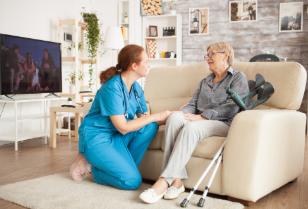
As aging in place becomes more common for older individuals, what matters most is safety, comfort, and independence. Simple activities that were once safe and convenient become a source of potential safety concerns. That’s why many people now resort to technology to make aging in place safer for seniors. In fact, AI-powered smart home systems go a long way toward reducing common risks, responding faster during emergencies, and supporting daily routines.
Maintaining a Balance of Technology and Human Connection
Technology can help people age safely in their homes, yet it should complement care, not replace it. Sensors may be used to spot a fall, prompt someone to take medication, or alert family members when something is amiss; however, they cannot recognize changes in someone’s mood, provide comfort in trying times, or offer the same level of security one finds in a human connection.
That’s why the best way to play it safe is always a combination of intelligent use of technology and traditional human supervision. Hourly assistance, overnight assistance, medication administration, and companion services work well as intermediaries between modern technology and daily life.
Interestingly, the concept is becoming increasingly popular, and you will notice it especially when you use home care services in Englewood Cliffs NJ, which use technology and human oversight for the best results. The aim is not only to monitor patients, but to enable seniors to live comfortably, feel engaged, and be safe in their home environment. Here’s more about some popular tools used in these settings.
AI Fall Detection Systems
These systems utilize wearable devices, radars, wall sensors, cameras, or motion sensors that can effectively detect whether an elderly person has experienced a fall or is not moving as they should be. The systems are extremely useful, as many seniors are unable to pick up their phones to call for help in case of a fall. This is why these systems are most applicable to seniors living alone, or those with poor balance and using a walking aid, or those with osteoporosis and are prone to falls.
Voice Assistants with Emergency Support
Through voice assistants, elderly people can operate various devices within their homes using only voice commands. For instance, they can call a relative, turn on the light, adjust the temperature settings, and set reminders.
The devices are very useful for people experiencing mobility problems, arthritis, vision issues, or difficulty handling phones and their buttons. For seniors living alone, this technology enables them to seek assistance without leaving their seats. They also help caregivers by supporting appointment alerts, medication reminders, and simple daily check-ins.
Smart Lighting
Speaking of devices with artificial intelligence, smart lighting systems are also becoming popular, as they automatically turn on the lights in response to motion detection. The lights reduce the risk of accidents happening in dark walkways, sleeping rooms, washrooms, or stairs. They also prove effective for seniors who get up at night, have vision problems, experience dizziness when standing, or have memory-related problems.
Endnote
Creating a safe environment for elderly people doesn’t merely concern preventing emergencies; it is about ensuring that their confidence and the quality of their lives do not deteriorate. This is where technology, such as AI-driven devices, can offer practical assistance by reducing daily risks and extending the independence of senior citizens. Yet, the most favorable results are typically achieved when combining technological solutions with constant human presence.
Leave a Reply