Introduction
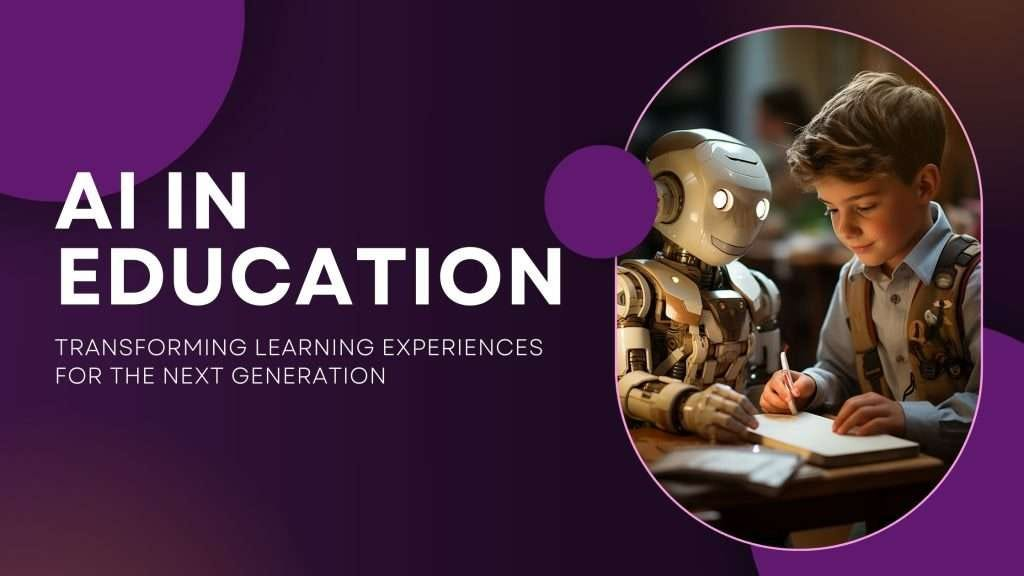
Artificial Intelligence (AI) is rapidly transforming the education sector by changing how students learn, teachers teach, and institutions operate. AI-powered tools are making education more personalized, accessible, and efficient.
From intelligent tutoring systems to automated grading and virtual classrooms, AI is reshaping traditional education models and creating new opportunities for learners worldwide.
What is AI in Education?
AI in education refers to the use of artificial intelligence technologies to enhance teaching, learning, and administrative processes in educational institutions.
It enables personalized learning experiences based on student needs and performance.
How AI is Used in Education
AI systems analyze student data and adapt learning methods accordingly.
- Students interact with digital learning platforms.
- AI collects performance and behavior data.
- Algorithms analyze strengths and weaknesses.
- Personalized learning paths are created.
- Students receive adaptive feedback and support.
This creates a smarter learning environment.
Key Applications of AI in Education
Personalized Learning
AI customizes lessons based on student ability.
Intelligent Tutoring Systems
Virtual tutors provide real-time help.
Automated Grading
AI evaluates assignments and exams.
Virtual Classrooms
Online learning powered by AI tools.
Language Translation
Helps students learn in different languages.
Student Performance Analytics
Tracks progress and identifies learning gaps.
AI improves educational outcomes significantly.
Benefits of AI in Education
Personalized Learning Experience
Students learn at their own pace.
Improved Efficiency
Reduces teacher workload.
Better Accessibility
Supports remote and disabled learners.
Instant Feedback
Helps students improve quickly.
Enhanced Engagement
Interactive tools make learning interesting.
These benefits improve overall education quality.
Challenges of AI in Education
High Implementation Cost
AI tools require investment.
Data Privacy Concerns
Student data must be protected.
Lack of Infrastructure
Not all schools have advanced technology.
Teacher Training Needs
Educators need AI knowledge.
Over-Reliance on Technology
May reduce human interaction.
These challenges must be addressed carefully.
Role of Teachers in AI Education
Teachers remain essential in guiding students, while AI acts as a supportive tool that enhances teaching methods and reduces repetitive tasks.
AI and E-Learning Platforms
AI powers modern e-learning platforms by providing adaptive content, quizzes, recommendations, and real-time assistance.
Future of AI in Education
The future of AI in education is highly advanced and will further personalize and automate learning systems.
Future developments may include:
Fully AI-Powered Classrooms
Smart classrooms with automated teaching systems.
AI Learning Assistants
Personalized digital tutors for every student.
Emotion Recognition Systems
AI detecting kubet link engagement levels.
Global Virtual Universities
Fully online AI-managed education systems.
Skill-Based Learning Platforms
AI-focused career training systems.
AI will redefine education globally.
Conclusion
Artificial Intelligence is revolutionizing education by making learning more personalized, efficient, and kubet. It supports both students and teachers in creating a more effective learning environment.
Although challenges such as cost, privacy, and infrastructure exist, continuous innovation is making AI more integrated into education systems.
In the future, AI will play a central role in shaping global education and lifelong learning systems.
As technology evolves, it will transform education into a smarter, more adaptive, and highly personalized experience.
Leave a Reply