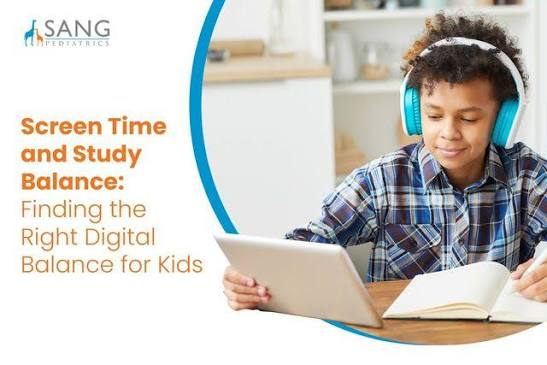
If you’re a parent, chances are AI has already snuck into your child’s world — whether it’s a math app that adjusts to their skill level or a reading platform that recommends the next book. It’s everywhere now, and honestly, it’s changing how kids learn, explore, and even how they think through problems. That’s exciting in a lot of ways. But it also raises a question a lot of us are quietly wrestling with: how much screen time is too much, and how do we make sure it’s actually doing our kids some good?
Here’s the thing — nobody’s suggesting you toss the tablet in a drawer forever. The real goal is making sure that time on screens is actually worth something: sparking creativity, building critical thinking, and feeding that natural curiosity kids have.
The Rise of AI in Education
What makes AI-powered tools genuinely useful is that they don’t treat every kid the same. They pick up on where a child is struggling, slow down or speed up accordingly, and hand out feedback in real time instead of making a kid wait days for a graded worksheet. That kind of responsiveness keeps children engaged in a way that a one-size-fits-all worksheet never could.
Pair that with genuinely good educational content, and you’ve got a real boost for subjects like reading, math, science, and language — without lessons feeling like a chore.
Choosing Quality Educational Content
Of course, not every app or website labeled “educational” actually earns that title. The ones worth your child’s time are the ones that ask something of them — solving puzzles, answering questions, making choices — rather than just feeding them content to watch. Look for platforms built around stories, quizzes, games, and creative activities, since these tend to stretch a much wider range of cognitive and social skills than passive screen time ever will.
Take educational games for kids as an example — the right ones quietly sharpen problem-solving, logical thinking, and hand-eye coordination, all while a kid thinks they’re just having fun.
And don’t underestimate good old reading — it’s still one of the best ways to grow vocabulary, sharpen comprehension, and fire up a kid’s imagination. AI reading tools are great, but they work even better alongside a steady supply of short stories for kids — the kind that gets kids reading on their own and thinking creatively.
Balancing AI with Offline Activities
As much as AI has to offer, kids still need plenty of time away from screens — the hands-on stuff that builds creativity and social skills in ways no app really can. A well-rounded day might include things like:
· Curling up with a printed book
· Running around outside
· Getting messy with arts and crafts
· Real conversations around the dinner table
· Family game night with a good board game
· Making up stories and writing them down
None of this competes with digital learning — it rounds it out.
Tips for Parents
So how do you actually put this into practice? A few habits go a long way:
· Set screen-time limits that actually feel reasonable for your family.
· When you’re choosing apps, lean toward ones built to teach, not just entertain.
· Sit down and learn alongside your child instead of just handing over the device.
· Push them to ask “why” and “how,” not just take answers at face value.
· Blend screen time with plenty of offline experiences.
When kids use technology with purpose instead of just zoning out in front of it, they walk away with real skills — and healthier habits too.
Looking Ahead
AI in education isn’t going anywhere — if anything, it’s only going to get more personalized and more interactive. But no algorithm can replace a parent sitting beside a child, a teacher noticing when something clicks, or a kid exploring the world with their own two hands. The best learning still happens at that intersection of technology and real human connection.
Pick good resources, keep the balance in mind, and your child can get everything AI has to offer while still growing into a curious, imaginative person who loves learning for its own sake — something no app can fully hand them.
Leave a Reply