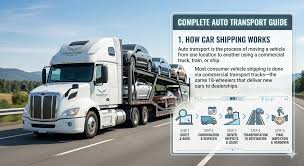
When planning a move, most people focus on the obvious logistics: hiring movers, finding housing, transferring utilities, and packing boxes. But one question often gets overlooked until the last minute:
Should you drive your car yourself or have it shipped?
For some moves, driving is the clear winner. For others, professional auto transport can save time, reduce stress, and even make financial sense.
Many people researching relocation options compare providers such as Navi Auto Transport while evaluating whether shipping their vehicle is a smarter choice than handling the trip themselves.
If you’re preparing for a move in 2026, here’s how to determine when auto transport beats the DIY approach.
Why Most People Automatically Choose to Drive
The default assumption is simple:
“I already own the car, so I’ll just drive it.”
At first glance, that logic seems reasonable.
Driving gives you:
- Full control of your schedule
- Immediate access to the vehicle
- No shipping arrangements
- No transportation coordination
For shorter relocations, that may be the best solution.
However, long-distance moves often tell a different story.
The Hidden Cost of DIY Vehicle Relocation
Many people calculate only fuel costs when comparing options.
Unfortunately, fuel is just one part of the equation.
A long-distance drive may include:
Fuel
Depending on distance:
- $150–$600+
Hotels
For multi-day trips:
- $150–$800+
Meals
Typically:
- $75–$300+
Tolls
Potentially:
- $50–$200+
Vehicle Wear and Tear
Additional mileage contributes to:
- Tire wear
- Oil changes
- Maintenance costs
- Depreciation
Many drivers overlook this category entirely.
Time
Time may be the most valuable factor of all.
A cross-country move can easily require:
- Three to five days of driving
- Travel planning
- Recovery time
When everything is added together, driving is often more expensive than expected.
When Driving Still Makes Sense
Despite the hidden costs, driving remains the best option in certain situations.
The Move Is Relatively Short
For relocations under 500–700 miles, driving is often practical and economical.
You Need the Vehicle Immediately
Driving guarantees the car arrives when you do.
You’re Transporting Personal Items
Many movers use their vehicle to carry:
- Important documents
- Electronics
- Personal belongings
You Enjoy Road Trips
For some people, the drive itself is part of the adventure.
If you enjoy being on the road, the trip may provide value beyond simple transportation.
When Auto Transport Becomes the Better Option
There are several situations where shipping your vehicle is often the smarter choice.
Cross-Country Relocations
The longer the distance, the stronger the case for professional transport.
A move from New York to Arizona or California to Florida involves:
- Significant mileage
- Multiple hotel stays
- Several days of travel
Shipping eliminates much of that burden.
Multiple Vehicles
Families frequently own:
- Two cars
- Three cars
- A combination of personal and work vehicles
Driving multiple vehicles requires additional drivers and additional planning.
Shipping simplifies the process.
Tight Timelines
If you’re starting a new job or working with a strict move-in schedule, time becomes valuable.
Vehicle transport allows you to fly directly to your destination instead of spending days behind the wheel.
Luxury or High-Value Vehicles
Many owners prefer avoiding unnecessary mileage on:
- Luxury vehicles
- Collector cars
- Performance vehicles
Professional transport helps preserve vehicle value.
What Vehicle Shipping Costs in 2026
Pricing varies based on:
- Distance
- Route
- Vehicle size
- Season
- Transport method
Typical open transport pricing:
500–1,000 Miles
$600–$1,000
1,000–1,500 Miles
$900–$1,400
Cross-Country
$1,200–$2,000+
Enclosed transport generally costs more but provides additional protection.
Open vs. Enclosed Transport
Most consumers choose open transport.
Benefits include:
- Lower pricing
- Greater availability
- Faster scheduling
Open transport is ideal for:
- Sedans
- SUVs
- Pickup trucks
- Daily-driver vehicles
When Enclosed Transport Makes Sense
Enclosed shipping is commonly used for:
- Exotic vehicles
- Classic cars
- Collector vehicles
- Luxury automobiles
The added protection can justify the higher cost.
The Convenience Factor
Cost is important, but convenience matters too.
Professional transport eliminates:
- Long hours behind the wheel
- Hotel reservations
- Fuel stops
- Route planning
- Weather concerns
For many movers, convenience alone justifies the investment.
This is especially true when the move itself is already demanding.
Common DIY Moving Mistakes
Many people regret driving because they underestimate:
- Travel fatigue
- Fuel expenses
- Vehicle depreciation
- Time requirements
Others fail to account for:
- Unexpected delays
- Road closures
- Mechanical issues
Professional transport reduces exposure to many of these risks.
Questions to Ask Before Choosing
Before deciding whether to drive or ship, ask yourself:
How Far Am I Moving?
Distance is often the most important factor.
How Much Is My Time Worth?
Several days on the road may have hidden costs.
How Valuable Is My Vehicle?
Higher-value vehicles often benefit from shipping.
How Complex Is My Move?
The more moving pieces involved, the more valuable convenience becomes.
Why More Movers Are Choosing Vehicle Shipping
Relocation trends continue to evolve.
More people are:
- Moving across multiple states
- Relocating for remote work
- Purchasing homes farther from their current location
- Taking advantage of nationwide job opportunities
As a result, vehicle transport has become increasingly common.
Many consumers compare providers such as Navi Auto Transport because shipping often eliminates one of the most stressful parts of a long-distance move.
Final Thoughts
There is no universal answer to the drive-versus-ship question.
For shorter relocations, driving may be the simplest solution. For long-distance moves, multiple vehicles, tight timelines, or high-value cars, professional transport often becomes the smarter option.
The key is evaluating the full picture rather than focusing solely on the upfront cost.
When fuel, lodging, vehicle wear, time, and convenience are all considered, many movers discover that auto transport delivers far more value than they originally expected.
In the right situation, shipping your vehicle isn’t an extra expense—it’s a strategic decision that can make your entire move easier.
Leave a Reply